Practical ways to protect your favourite pieces, from embroidered occasionwear to everyday knitwear. Choose the fabric or detail below, then use your garment’s care label to confirm its cleaning method.
One garment, several materials. A dress may combine a main fabric, lining, embroidery and trims with different care needs. The guidance here is general: washing, drying and ironing must be permitted by the label for the complete garment. A laundry bag or a cold cycle does not make a dry-clean-only item washable.
Golden Chang’an Mermaid Gown has confirmed instructions for professional gentle dry cleaning. Do not transfer that instruction to a different dress just because the fabric looks similar.
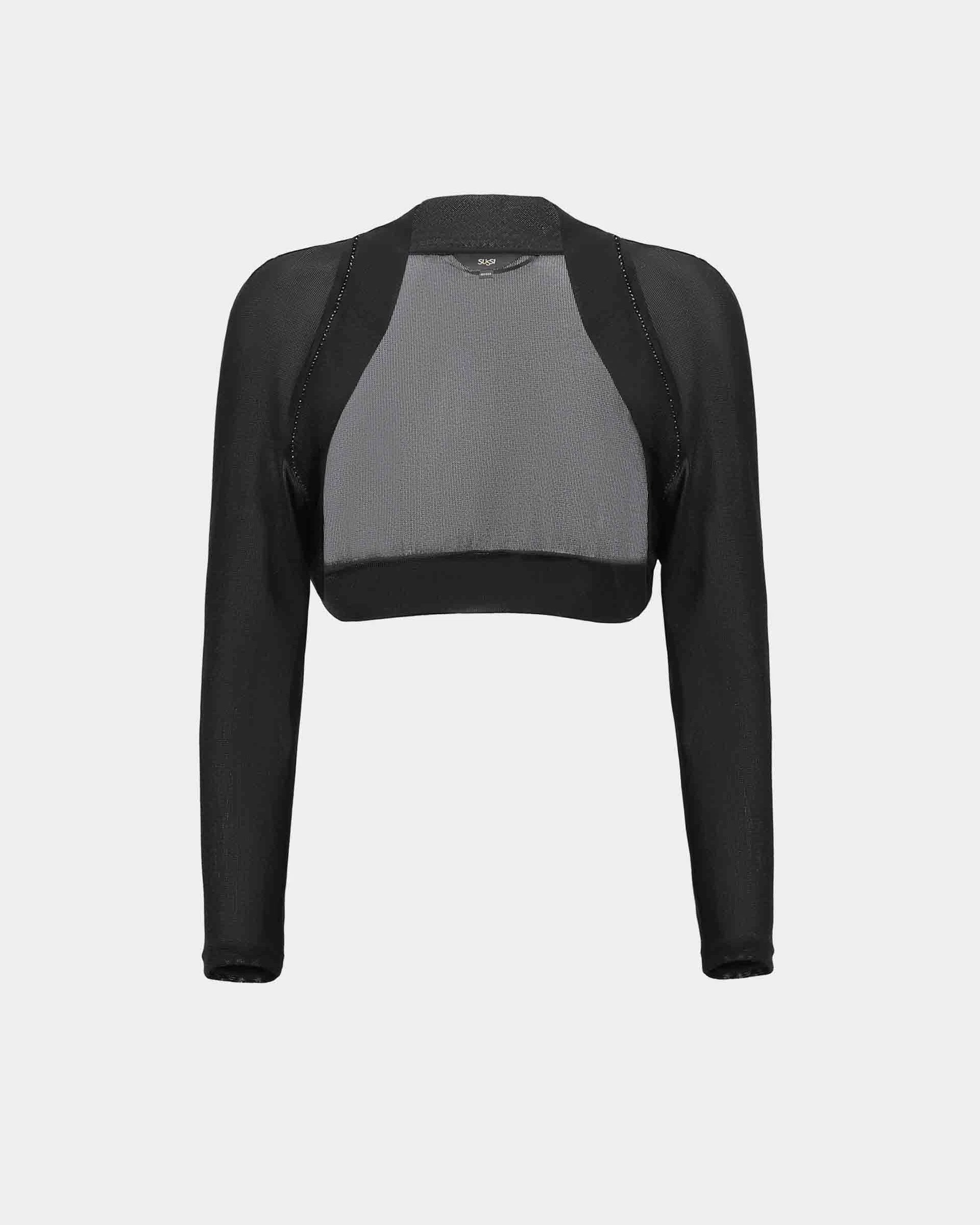
Petal Embellished Knit Cardigan has a confirmed maximum wash temperature of 30°C, using hand wash or a wool cycle and neutral detergent. Avoid vigorous rubbing or wringing. See its product care instructions for drying and ironing.
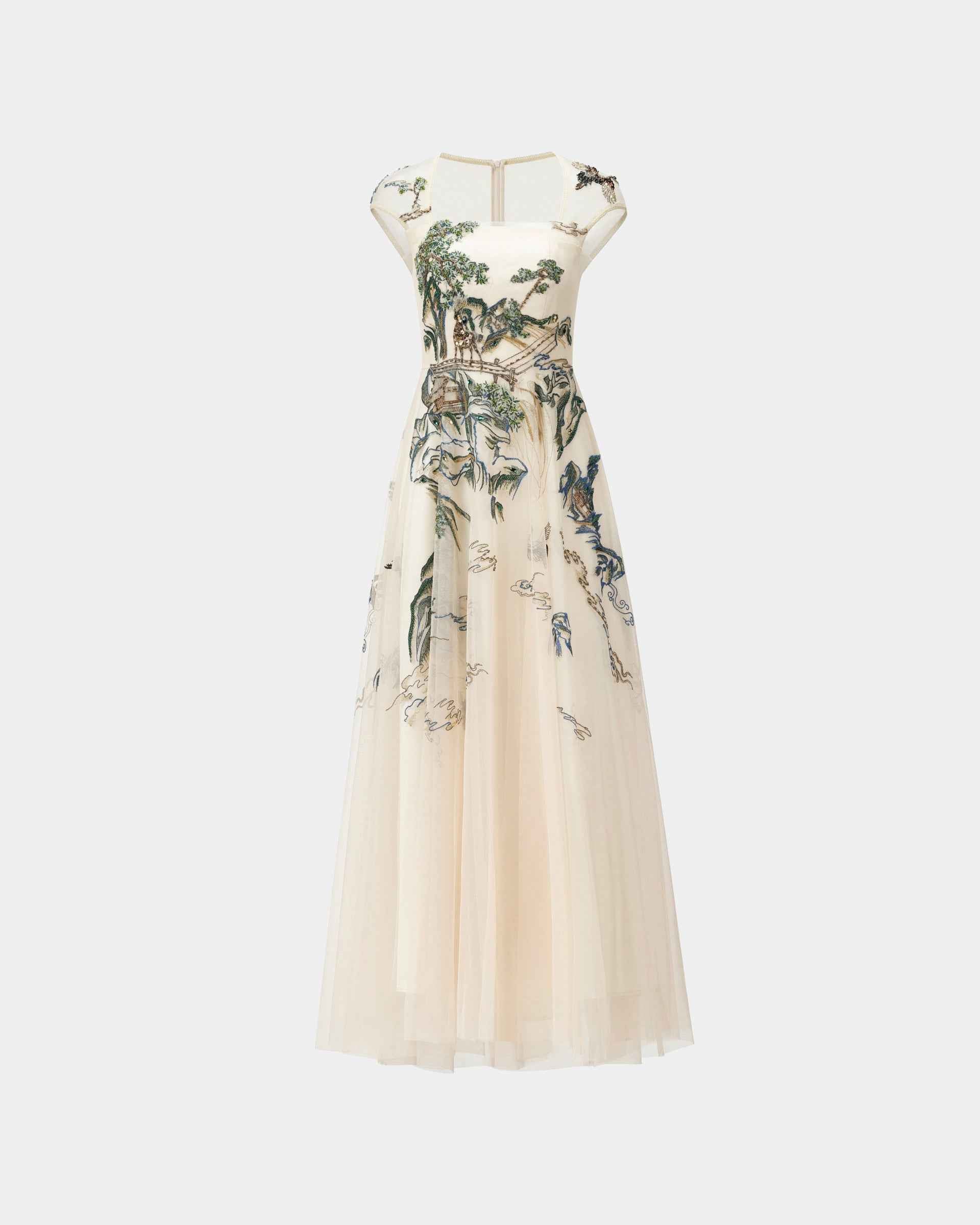
For Riverscape High-Low Gown with Embroidery, keep jewellery and bag chains away from raised stitching. Do not pull a loose thread. These handling tips do not determine its washing method.
Bird-and-Flower Sheer Overlay Dress is a single sheer outer layer. Avoid rings and fasteners catching the fabric when dressing. The slip dress shown is not included. Confirm the care label before cleaning.
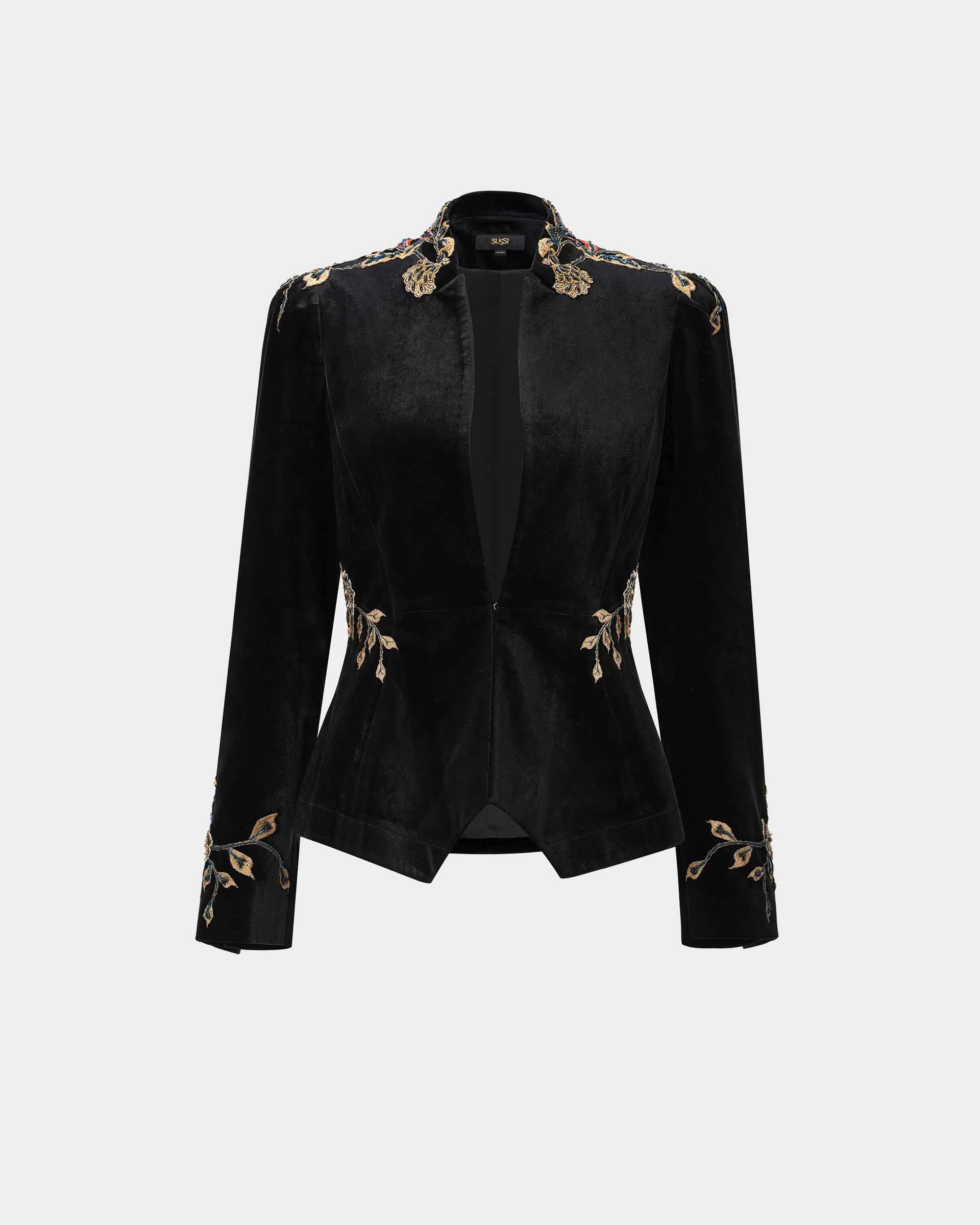
Actual SUSSILAND product photographs. These show the garments and their details, not a cleaning demonstration.
The care demonstrations below are AI illustrations based on SUSSILAND garments. They are not product photographs or reproductions of an actual care label.
Find your fabric
Fold gentlyFold clean, fully dry knitwear without stretching it.
Store flatGive folded knitwear room and avoid heavy items on top.
Open the relevant section for practical guidance. For blends, consider every fibre and the garment’s construction; do not choose a wash programme using only the largest percentage.
Wool, cashmere, mohair & wool-blend knitwear
Air between wears in a dry, shaded place when the garment does not need cleaning.
When washing is permitted, use a detergent intended for wool and the hand-wash or wool programme specified on the label. Do not assume all wool blends are machine washable.
Avoid vigorous rubbing and wringing. Support the wet garment, reshape gently and use the approved drying method; flat drying is generally suited to wool knits.
Store clean, fully dry knits folded, and check stored items periodically for moth damage.
Confirm which fibre is listed: “regenerated cellulose” does not identify one universal washing method.
Use a gentle cycle only if machine washing is permitted. Avoid pulling or stretching a wet garment, especially at seams and narrow straps.
Compare the label’s washing and drying instructions before starting; do not plan to fix changes in fit by stretching or hot ironing afterwards.
For a structured or lined piece, check the whole garment’s instructions even if you own an unlined top with the same main fibre.
Acetate & triacetate blends
Check the precise fibre name and the garment label; do not use silk instructions simply because the fabric has a similar sheen.
Do not select an ironing temperature from the main-fabric percentage alone. The lining, pleats and trims must also tolerate the treatment.
If cleaning or pressing instructions are missing, ask us or a textile-care professional before adding water, solvent or heat.
Cotton & cotton blends
Check whether the garment is washable, then sort by colour and use the permitted programme.
For machine-washable everyday pieces, a lower permitted temperature can help reduce colour fading and shrinkage. Decorations or structured tailoring may require a different approach.
Follow the drying instructions; “cotton” alone does not mean high-heat tumble drying is suitable.
Reshape and smooth washable items after washing, without pulling them out of shape.
Polyester, nylon, acrylic & stretch blends
Check the care label rather than assuming synthetic fabrics can all take the same wash.
For washable pieces, close fasteners and keep delicate fabrics separate from items with hooks or rough surfaces. A mesh bag can reduce friction where machine washing is already allowed.
Use only the permitted dryer and iron settings. Extra heat is not a shortcut for removing creases.
Treat an acrylic-blend knit as a shaped garment: avoid stretching and support it during drying as directed.
Velvet, satin, lace & sheer fabrics
These names describe fabric structures or surfaces, not a single fibre composition. Check the composition and care label together.
Keep velvet pile and raised details from being crushed under heavy garments. Do not press directly onto the surface without confirmed instructions.
Protect lace and sheer panels from jewellery, hook-and-loop fasteners and sharp edges. Do not pull a snagged loop.
Avoid improvised rubbing, soaking or steaming to treat a mark on a delicate surface.
Down-filled garments & metallic details
Check the shell, filling and trim instructions separately, then follow the garment’s complete care label.
Do not treat down as if it were a fibre blended into the outer fabric. Cleaning and thorough drying must suit the filled construction.
For metallic yarns, coated details or glued embellishments, confirm compatibility before using heat, solvents or stain removers.
If the label is incomplete, arrange advice before cleaning rather than choosing a programme from the outer material alone.
Embroidery, beads & special details
Prevent snagsKeep jewellery, hooks and bag chains away from raised embroidery.
Cushion delicate detailsSupport fragile pieces flat and cushion folds with acid-free, unbuffered tissue.
While wearing
Choose accessories that will not catch on raised stitching or beads. Keep bag straps from repeatedly rubbing the same decorated area, and take care against rough seating.
If a thread comes loose
Do not pull it or cut it without advice. Photograph the area and contact us so we can help you identify the next step.
Before professional cleaning
Show the cleaner the label and point out embroidery, beads, glued details and any stains. Ask them to assess the entire garment before selecting a cleaning or pressing method.
When storing or travelling
Keep decorated surfaces apart from zips, hooks and jewellery. Avoid sharp folds across raised embroidery and do not pack heavy items on top of embellishments.
How to store your pieces
For garments suitable for hanging, support the shoulders and use a roomy, breathable cotton or muslin cover. AI care illustration based on SUSSILAND garment photography.
A dust cover helps keep a garment clean, but the right support matters too. Choose hanging or flat storage to suit the construction and weight.
Choose a breathable dust cover
For suitable hanging pieces, use a clean, loose cotton or muslin garment bag. Avoid leaving clothing in thin dry-cleaner plastic covers for long-term storage. A dust cover does not make a damp wardrobe safe.
Hang supported, not stretched
Use a suitably sized padded hanger for sound, structured garments. Leave space around them. Avoid wire hangers and do not suspend heavy, fragile or heavily decorated pieces from delicate shoulders or straps.
Fold knitwear
Store wool and cashmere knits clean and completely dry, folded without pulling them out of shape. Avoid vacuum compression that can distort the garment and create persistent creases. Keep them away from sunlight and check periodically for pests.
Protect embroidery and beads
Use supported flat storage for fragile or heavily embellished pieces. Cushion folds with acid-free, unbuffered tissue and avoid sharp folds through decorations. Do not stack heavy garments on top.
What should I do after wearing a piece?
Check for marks and follow its approved cleaning instructions when needed. Let any moisture dissipate in a shaded, ventilated place before storing. For seasonal storage, put garments away clean and fully dry.
Storage references: Canadian Conservation Institute · Woolmark. These are general storage principles; fragile or unusually heavy garments may need individual advice.
Before washing, drying or ironing
Check the care labelRead the garment’s sewn-in instructions before choosing a cleaning method.
Find the complete care instructions. A fibre-content label alone is not a cleaning instruction.
Confirm that the method is allowed. “Do not wash” includes hand washing. A gentle cycle does not override this restriction.
Check temperature and treatment separately. A washing temperature does not determine the safe iron setting, and machine washing permission does not imply tumble drying permission.
Stop if information conflicts. Send us photographs of the label and the product name before cleaning. Do not choose between conflicting instructions by guessing.
Can I steam every garment before an event?
No single steaming method suits every fabric, finish and decoration. Check the garment’s instructions first. Avoid applying heat or moisture to beads, bonded trims or delicate surfaces without confirmation.
What should I do about a stain?
Note what caused it and when it happened. Avoid rubbing, applying household mixtures or ironing over the mark. For delicate, decorated or dry-clean-only garments, seek advice promptly and tell the cleaner about any treatment already attempted.
Does a laundry bag make a delicate garment machine washable?
No. It can help reduce friction for suitable washable items, but it cannot prevent damage caused by an unsuitable cleaning method, detergent or temperature.
Care advice for your particular piece
Photograph the detailsSend clear photos of the printed label and the area you would like help with.
Send the product name or order number, a clear photo of the sewn-in care label, and a photo of any area of concern to our customer care team. Let us know about any cleaning already attempted.
This guide combines general textile-care principles with practical precautions for delicate garments. It does not certify a cleaning method for every product.